
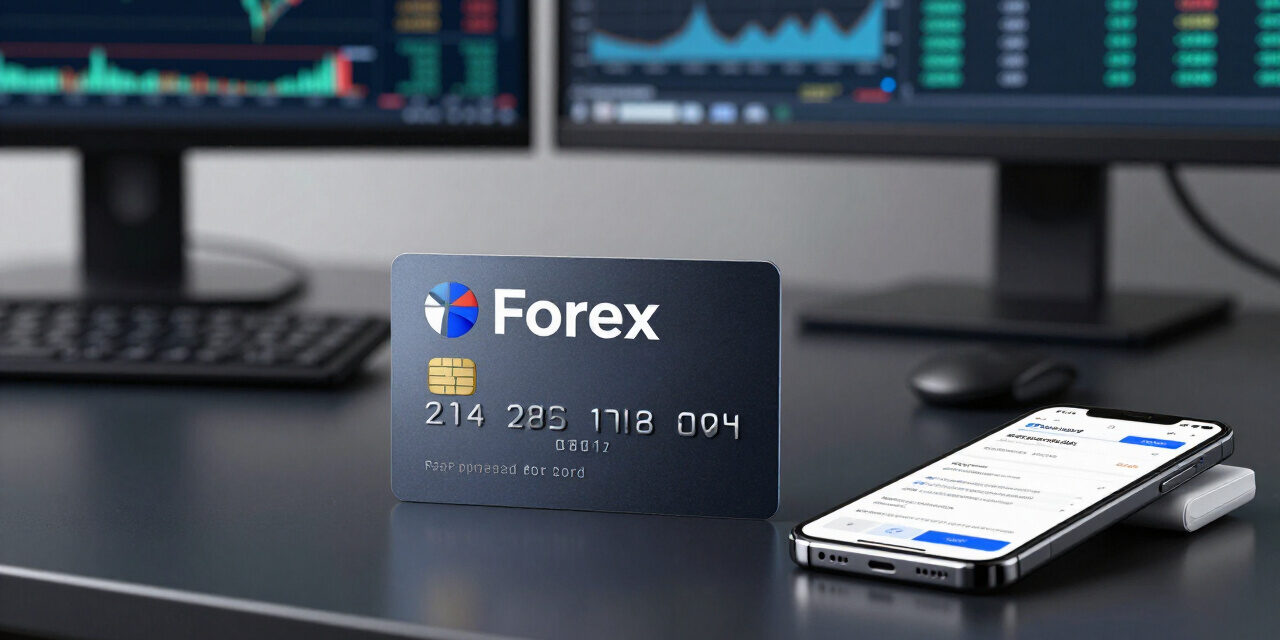
Optimizing travel liquidity requires a precise evaluation of prepaid Forex card structures against fluctuating exchange rate volatility. Travelers and expatriates frequently face hidden markups, conversion fees, and inactivity charges that erode total purchasing power during international transactions. Choosing the correct financial instrument depends on your spending patterns, the local currency of your destination, and the underlying multi-currency wallet functionality provided by major issuers.
Strategic selection between modern fintech solutions like Ixigo, specialized players such as WSFX, and traditional bank-issued cards directly impacts your travel cost efficiency. This comparative analysis examines the semantic relationships between card issuer liquidity, transaction risk vectors, and competitive load fees for 2026. By focusing on total cost of ownership and real-time conversion transparency, you can minimize financial friction and secure superior currency conversion rates while navigating complex global retail payment ecosystems.
Overview of Prepaid Forex Card Options
A prepaid forex card acts as a multi-currency storage tool that allows travelers to hold foreign funds in a digital format. Unlike traditional credit cards, these cards lock in exchange rates at the time of loading, effectively protecting the user from subsequent currency volatility and unexpected conversion fee fluctuations during trips.
Travelers today require seamless access to funds while navigating international borders. Prepaid forex cards serve as a primary financial instrument for securing liquidity in diverse currencies without the heavy reliance on physical cash or standard debit card interfaces that often trigger exorbitant markup fees at points of sale.
Selecting the right card involves auditing the provider for transparency in pricing and technical security. Many traders who participate in currency markets as a profession also understand the value of managing risk through a best forex brokers comparison, as both disciplines demand a focus on minimizing spread costs and transaction friction.
Ixigo, WSFX, and Major Bank Forex Cards Compared
Ixigo Forex Credit Card
The Ixigo forex credit card integrates travel booking benefits with specialized financial features designed to reduce international spending costs. It serves as a co-branded solution that provides users with zero forex markup fees on specific foreign transactions, positioning it as a highly competitive tool for frequent international travelers and digital nomads.
The ixigo forex credit card offers a distinct advantage for those who prioritize travel rewards alongside financial functionality. By removing the standard percentage-based markups found on traditional credit cards, it allows travelers to maintain their budget while paying for accommodation, dining, and transit across global territories.
Practitioners value this card for its integrated booking platform, which synchronizes travel plans with financial monitoring. When assessing your micro-capital management strategies, consider reading our forex cent account guide to understand how smaller transaction units and disciplined capital controls mirror the careful budgeting required during international travel and card usage.
- Key specifications of this card include real-time expense tracking via an intuitive mobile interface and high-security chip-and-pin technology.
- Users benefit from the absence of annual maintenance charges during the first year of usage, provided they meet specific spending milestones during the initial onboarding period of their account.
Pros of this card include seamless integration with travel itineraries and significant savings on international transaction fees. The primary drawback involves potential limitations on maximum loading amounts compared to institutional bank cards, which may restrict high-net-worth individuals during extended global excursions or long-term overseas residencies.
WSFX Smart Card
The WSFX smart card is a specialized multi-currency prepaid instrument engineered for high-frequency travelers who require stable exchange rates and robust security. It allows users to preload various currencies, providing a reliable hedge against market fluctuations while ensuring liquidity is available at major global merchant locations and automated teller machines.
WSFX stands out in the market due to its focus on professional forex services. Unlike generic bank offerings, this provider maintains a dedicated infrastructure for currency exchange, ensuring that users receive competitive rates that often outperform those offered by retail banking institutions during periods of high currency volatility in the market.
The card infrastructure supports instant loading and reloading capabilities, which are essential for individuals managing long-term travel budgets. This level of control is comparable to the precision required in modern trading, where identifying the right platform through best forex brokers reviews ensures that your capital remains protected from unnecessary institutional overhead and hidden costs.
Technical specifications include an EMV-compliant chip for enhanced protection against cloning and unauthorized access. The card supports up to fifteen distinct currencies simultaneously, which provides immense flexibility for travelers visiting multiple continents or regions with different base denominations. It also includes comprehensive insurance against theft or accidental loss.
Pros of the WSFX solution include excellent conversion spreads and reliable customer support specialized in international finance. The main disadvantage is a slightly more complex user interface for initial registration compared to standard credit products. However, the depth of functionality makes it a preferred choice for serious global travelers.
Standard Institutional Bank Forex Cards
Standard institutional bank forex cards provide a trusted gateway for accessing global funds through established financial networks. These cards are typically linked to a primary savings or current account, offering a high level of convenience for account holders who prefer consolidated banking services managed through a single secure institution.
Institutional bank cards benefit from the vast reach of global banking infrastructure. Users often find that these cards are accepted in a wider variety of specialized merchants and regional financial hubs, providing peace of mind during travel to locations with limited card processing infrastructure or niche terminal compatibility requirements.
However, the convenience of a linked bank account often comes with higher markup fees compared to specialized forex providers. Users should monitor these costs closely, as excessive transaction charges can significantly deplete travel funds. Balancing these expenses is vital, much like using a forex cent account guide to optimize smaller capital allocations effectively.
Technical specifications typically include full integration with existing mobile banking applications. This allows users to lock or unlock their cards instantly and monitor transactions in real time. Many institutional cards also provide global emergency assistance, including cash replacement services if the primary card is lost or destroyed while traveling abroad.
Pros include seamless fund transfers from personal bank accounts and high trust levels with established financial entities. Cons include less competitive exchange rates for smaller volume transactions and the potential for cumulative fees that are not immediately transparent during the checkout process at foreign merchant terminals or retail locations.
Fees, Exchange Rates, and Loading Limits
Fees for prepaid forex cards usually consist of issuance costs, reload charges, and inactivity penalties. Exchange rates are determined at the moment of funding, while loading limits are governed by local regulatory bodies, such as the Reserve Bank of India, to ensure compliance with international financial monitoring standards and policies.
Understanding the fee structure is paramount before committing to any card provider. Issuance fees vary based on the specific tier of the card, with premium tiers offering perks like lounge access or higher security guarantees. Always evaluate the total cost of ownership rather than just the initial sign-up price.
Exchange rates often hide markups that are not clearly stated. Providers that allow you to load funds when the currency rate is favorable offer a significant advantage over cards that automatically convert at the point of purchase. Effective rate management is a key skill for any traveler or forex enthusiast.
- Loading limits are essential to monitor, especially for those planning extended trips.
- Regulatory frameworks dictate the maximum amount that can be stored on a card per year.
- Exceeding these limits requires additional documentation and compliance checks, which can be time-consuming if not managed before the scheduled date of departure.
How to Choose the Best Prepaid Forex Card for Travel
Choosing a prepaid forex card requires assessing your specific travel frequency, the number of countries you plan to visit, and your total budget. A robust card should offer multi-currency support, transparent transaction fee disclosures, and an intuitive mobile application for managing funds securely while navigating various international time zones.
Begin by mapping your travel destination’s currency requirements. If you frequent regions using multiple currencies, ensure your chosen card supports instant currency conversion and storage. This reduces the risk of being caught with insufficient funds or unfavorable conversion rates during your journey through diverse international markets or trade zones.
Security features must be a priority in your decision-making process. Look for cards that provide instant card-blocking capabilities, multi-factor authentication for online transactions, and a clear process for reporting lost cards. The safety of your capital should always take precedence over minor differences in exchange rate markups or rewards.
- Finally, consider the customer support infrastructure.
- Having access to 24/7 assistance is critical when traveling across different time zones.
- Testing the responsiveness of the provider’s support team before you travel can give you a better understanding of how they handle technical issues or account inquiries in high-pressure situations.
Frequently Asked Questions About Prepaid Forex Cards
Common questions regarding forex cards involve the safety of stored capital, the flexibility of currency reloading, and the specific regulatory limits that apply to domestic users. These inquiries focus on ensuring that travelers maximize their financial security while minimizing the costs associated with international transactions and currency conversion processes.
- Are prepaid forex cards safer than credit cards? Yes, these cards are often safer because they contain only the preloaded amount, limiting exposure in case of theft or card cloning.
- Can I reload my forex card from overseas? Most providers allow you to reload funds online via their mobile application or website, provided you have stable internet access and sufficient funds in your linked bank account.
- Do these cards expire? Yes, prepaid forex cards usually have an expiration date printed on the front, similar to standard debit cards, and you must renew them through your provider.
- Are there hidden fees? Fees vary by provider and may include inactivity fees, card replacement fees, or charges for ATM withdrawals. Always review the terms of service carefully.