
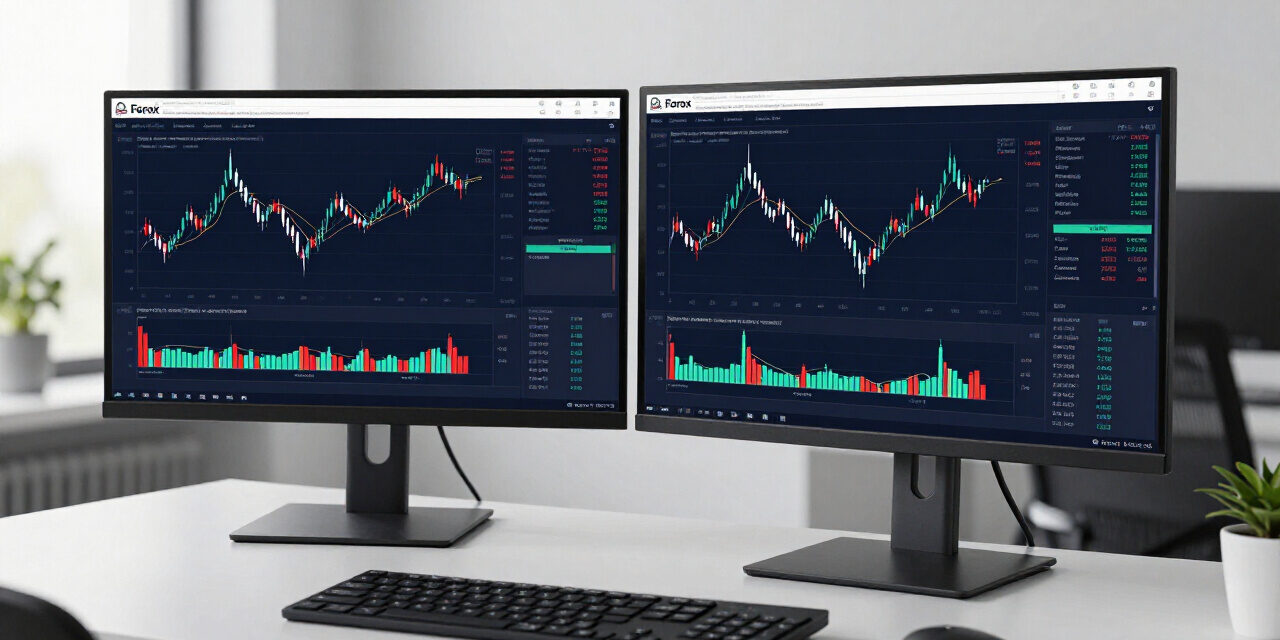
Navigating the complex landscape of global financial markets requires precision, strategic planning, and practical experience. A demo account XM serves as the fundamental bridge between theoretical understanding and live market execution. By utilizing virtual capital, traders evaluate platform functionality without risking actual currency during the [currentmonth] [currentyear] market sessions.
Practitioners utilize these simulated environments to test automated trading algorithms or manual strategies against live price feeds. This risk-free approach ensures that users familiarize themselves with order execution, spread dynamics, and margin requirements before committing real capital. Mastering the interface provides the confidence necessary for sustained trading performance in live environments.
Understanding the XM Demo Account Ecosystem
A demo account XM acts as a simulated trading environment providing real-time market data and virtual funds. Users utilize this sandbox to execute trades on MetaTrader 4 or MetaTrader 5 platforms. It replicates live market conditions, allowing traders to observe price fluctuations and practice order management without any financial risk.
The core objective of utilizing a virtual account is to bridge the gap between educational theory and practical application. XM offers a sophisticated environment that mirrors their live server infrastructure. This consistency ensures that the transition from a simulated account to a funded live account remains seamless and technically accurate.
Users receive access to virtual capital, often reaching $100,000, to simulate high-volume trading scenarios. This liquidity allows for the testing of various position sizes and risk management strategies. By operating within these parameters, traders identify their specific strengths and weaknesses while navigating volatile currency pairs or commodity markets.
- Technical indicators and charting tools found in the live version remain identical within the demo environment.
- Traders configure their workspaces, save templates, and test custom indicators without concerns regarding slippage or capital loss.
- This preparation remains vital for any serious participant in the foreign exchange markets during [currentyear].
Step-by-Step Registration Process
Registering for a demo account XM requires basic personal information and the selection of preferred trading platform software. Users complete a digital form, verify their email address, and install the chosen terminal. Once credentials arrive, the user logs in to access the full range of virtual financial instruments provided.
The registration sequence begins on the official website where the prospective user identifies the demo account registration portal. You input your name, country of residence, and contact details into the form. Accuracy here is important, as it establishes the primary profile for your future interaction with the broker services.
After submitting the initial form, a verification link is sent to your registered email address. Clicking this link activates your account and triggers the generation of your login credentials. Keep these details secure, as they provide access to the proprietary software versions maintained by the firm for professional trading activity.
- Upon validation, you select the specific platform—either MT4 or MT5—that aligns with your trading objectives.
- MT4 remains the industry standard for traditional forex pairs, while MT5 offers additional asset classes and enhanced backtesting capabilities.
- Once chosen, download the software to your desktop or access the web-based version.
The $100,000 virtual balance represents simulated purchasing power designed for testing risk parameters and trade sizes. Traders utilize this volume to observe margin gearing ratio impacts on large positions. Managing this virtual liquidity correctly allows users to refine their money management logic and psychological approach to market drawdown events.
While the virtual capital is generous, disciplined traders treat these funds as if they were real assets. The temptation to over-leverage a $100,000 balance leads to poor habits that prove catastrophic when applied to smaller, real-money accounts. Practice using a consistent percentage of this capital on every single trade to instill discipline.
Use the virtual capital to stress-test your strategy against significant market events. Attempt to scale into positions or hedge existing trades to observe how the platform handles complex order types. If your strategy fails under the pressure of these large virtual amounts, you have successfully avoided a real-world financial loss.
Periodic review of your trade history is essential for growth. Analyze the performance of your trades in the account history tab of your terminal. Determine the win-loss ratio and the average risk-to-reward metrics. This objective analysis is only possible when you maintain an accurate log of your demo trading activity.
Utilizing MT4/MT5 Demo Servers
MT4 and MT5 demo servers connect your terminal to the real-time pricing engine used by live clients. These servers ensure that the data latency, spread quotes, and execution speeds match the live environment. By testing on these servers, you verify the technical viability of your automated or manual systems.
MetaTrader 4 offers a streamlined experience focusing on traditional forex markets. It remains a reliable choice for traders who prefer a stable, proven environment for manual technical analysis. The demo server ensures that all your indicator configurations and chart settings translate directly when you eventually transition to live trading.
MetaTrader 5 provides a more advanced architecture, enabling access to stocks and other centralized exchanges. If your strategy involves multi-asset trading, the MT5 demo server provides the necessary infrastructure. It also allows for sophisticated backtesting, where you can run historical data through your algorithms to predict potential performance.
Connection stability remains a key factor during your testing phase. Use the status indicator in the bottom right corner of your terminal to ensure you maintain a strong link to the demo server. Discrepancies in price feeds often result from poor internet connectivity rather than broker issues, so verify your connection daily.
Risk Management Techniques in Demo Trading
Risk management involves setting specific stop-loss and take-profit levels for every position taken within the demo account XM environment. Practicing these controls prevents total capital depletion during market volatility. By enforcing strict trade management, you learn to protect your virtual funds while confirming the viability of your trading edge.
Never enter a trade without a clearly defined exit strategy. Use the demo account to practice placing stop-loss orders at logical technical levels such as support and resistance zones. Watching how the market interacts with these levels teaches you to set tighter stops without being prematurely stopped out by minor price noise.
Position sizing is a crucial element often overlooked by beginners. Calculate your position size based on the volatility of the specific pair you are trading. The demo account allows you to experiment with different lot sizes until you find a balance that provides steady growth while limiting exposure to individual market swings.
- Finally, practice emotional detachment.
- Treat every trade as a business decision based on data rather than instinct or hope.
- When you can consistently manage your risk in the virtual environment over several weeks, you are better prepared to handle the psychological demands of managing real financial capital in the markets.
Frequently Asked Questions
The following section clarifies common inquiries regarding demo account setup and maintenance. These answers provide insight into managing simulated assets effectively and understanding the limitations of practice accounts. Proper knowledge of these terms ensures that you extract maximum educational value from the demo trading period in [currentyear].
- Does the demo account expire if I do not use it?
Inactive demo accounts are often purged by the server to conserve resources. We recommend logging into your account at least once every few weeks to keep the connection active and the data stream consistent. - Can I use a demo account for scalping practice?
Yes, the demo servers reflect live market execution speeds, making them ideal for testing scalping strategies. You will experience the same spread conditions as live accounts, allowing you to gauge the feasibility of high-frequency trading. - Is the virtual capital renewable?
If you deplete your virtual balance, you can typically contact support or open a secondary demo account through the member area. XM provides flexible options to ensure your practice remains uninterrupted. - Are the price feeds identical to a live account?
The demo account utilizes the exact same price feeds and liquidity providers as a standard live account. This ensures that the patterns you identify and the execution you experience remain accurate reflections of actual market conditions.