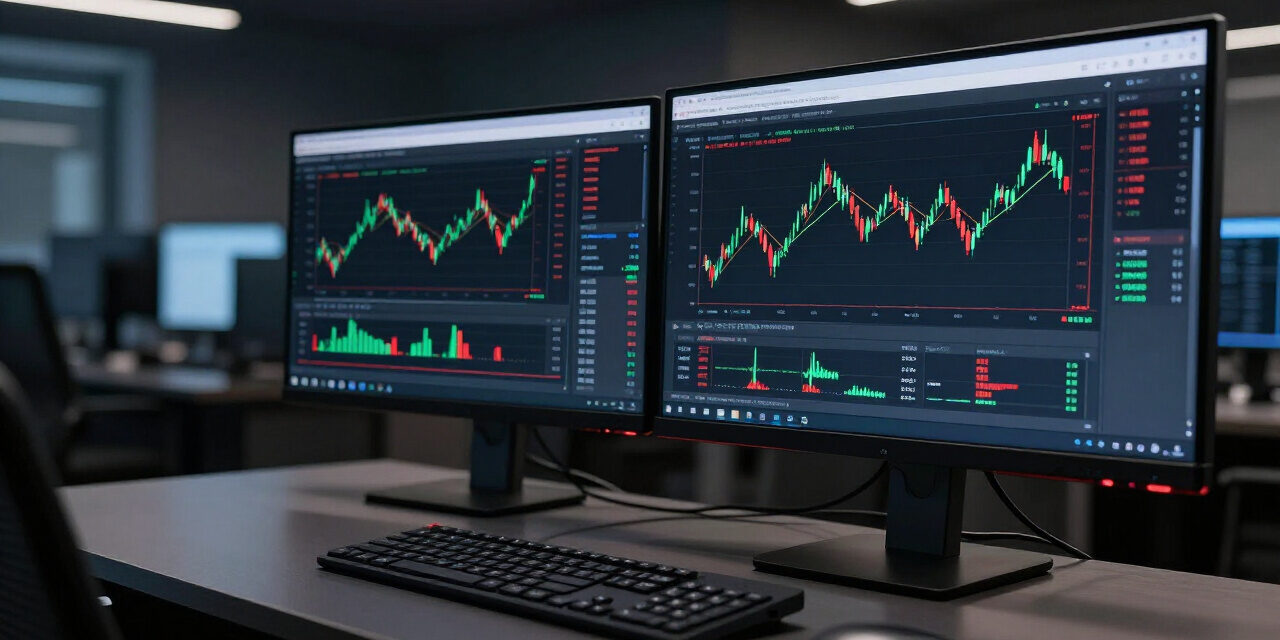
Cinema has long captured the intense, adrenaline-fueled atmosphere of global financial markets, serving as both entertainment and cautionary tales for those involved in professional finance. From the high-stakes trading floors of New York to the clandestine operations of international banking, films about trading provide a visceral look at the psychological pressures, moral ambiguities, and extreme volatility inherent in capital allocation. Whether you are a seasoned day trader or a novice investor, these narratives offer profound insights into market sentiment, systemic risk, and the human drive for success.
Analyzing these cinematic portrayals helps traders identify common cognitive biases, the dangers of over-concentration, and the thin line between calculated risk-taking and reckless speculation. This definitive ranking of 20 films examines how Hollywood interprets the complexity of the stock market, ensuring you gain a deeper understanding of historical market events while enjoying some of the most compelling storytelling in financial media during 2026.
- Explore studying market psychology in 15 best books on day trading and psychology.
- Explore learning foundational currency mechanics in what is forex trading and how it works.
- Explore exploring free signal feeds in free currency signals telegram guide.
1. The Big Short (2015)
The Big Short is a masterclass in market analysis that documents the 2008 housing bubble collapse. It highlights the importance of deep fundamental research, contrarian thinking, and the patience required to hold a position when the rest of the market ignores warning signs or remains blinded by irrational exuberance.
Directed by Adam McKay, this film focuses on the individuals who identified the systemic rot within the mortgage-backed securities market. It provides a crash course in credit default swaps and synthetic collateralized debt obligations. For the modern trader, the primary lesson remains clear: when everyone is looking in one direction, the most profitable opportunity often lies in the opposite corner of the market.
Practitioner Pro-Tip: Never rely on consensus ratings from major financial institutions. Do your own due diligence on the underlying assets to uncover hidden risks.
- Key Takeaway: Valuation discrepancies are often signals of impending structural failure.
- Trading Focus: Macro-economic hedging and asymmetric risk-reward ratios.
- Best For: Traders interested in understanding systemic risk and historical financial anomalies.
2. Margin Call (2011)
Margin Call offers a tense look at the internal mechanics of a large investment bank during the initial stages of the 2008 financial crisis. It demonstrates the critical necessity of risk management, liquidity preservation, and the cold-blooded reality of institutional decision-making when a firm faces potential insolvency due to over-geared positions.
The plot unfolds over twenty-four hours, capturing the desperate rush to sell off toxic assets before the market catches on to their worthlessness. For traders, this is a lesson in the dangers of ignoring internal data in favor of external market comfort. When your own indicators suggest a massive downside, action must be immediate rather than hesitant.
The film illustrates the difference between institutional survival and client obligation. It serves as a reminder that large firms prioritize their own capital structure above all else. Understanding this helps individual traders navigate market movements, especially when major institutional flows dictate price action.
3. Wall Street (1987)
Wall Street remains the quintessential film about the culture of stock market excess, greed, and corporate raiding. It provides a sharp look at how information asymmetry and insider trading can create massive wealth for a select few while destroying value for long-term investors and employees alike.
Bud Fox and Gordon Gekko represent the duality of the financial world: the naive newcomer and the seasoned shark. The film explores the temptation of shortcutting the hard work of analysis by relying on non-public information. It is a cautionary tale that every trader should watch to understand the ethical boundaries of the industry.
Beyond the drama, it offers a window into the cutthroat nature of 1980s trading, where phone lines were the primary data source and networking was the ultimate currency. While technology has evolved, the psychological dynamics of ambition and the desire for market dominance remain fundamentally the same.
4. Rogue Trader (1999)
Rogue Trader is the definitive biographical account of Nick Leeson, the man responsible for the collapse of Barings Bank. It highlights the catastrophic consequences of hidden trading losses, unauthorized risk-taking, and the lack of oversight within a firm that fails to separate front-office execution from back-office reporting.
Leeson’s story is a nightmare scenario for any risk manager. By utilizing an error account (the infamous 88888 account) to conceal disastrous trades in the Nikkei 225, he illustrates how unchecked ego and a refusal to cut losses early can lead to the total destruction of a storied financial institution. This film is a primary study in the importance of maintaining strict stop-loss protocols and transparency.
Traders should analyze this film for its depiction of the “martingale” trap. Doubling down on losing positions in the hope of a market reversal is perhaps the most common reason retail and institutional traders blow up their accounts. Never confuse hope with strategy.
5. Boiler Room (2000)
Boiler Room exposes the predatory nature of pump-and-dump schemes, where high-pressure sales tactics are used to convince retail investors to buy worthless penny stocks. It serves as a necessary warning against trusting unlicensed brokers and the danger of participating in markets that lack regulatory transparency and honest order flow.
The film captures the high-intensity atmosphere of a fly-by-night brokerage, emphasizing how psychological manipulation and fear of missing out (FOMO) are used to drain capital from unsuspecting clients. For the serious trader, it underscores the value of trading in liquid, regulated markets where price discovery is driven by genuine supply and demand rather than artificial influence.
Studying these tactics helps you recognize red flags when interacting with brokerage firms or investment advisors. If an opportunity seems too perfect or comes with intense urgency, it is almost certainly a scheme designed to enrich the broker at your expense.
Additional Notable Entries for the Dedicated Student
Beyond the big five, several other films provide valuable lessons on trading, corporate ethics, and the psychological impact of financial wealth on the individual. Expanding your cinematic portfolio allows for a more comprehensive understanding of market history and the human elements that frequently influence institutional decision-making and price volatility.
The following films represent a mix of documentaries and dramas that provide unique angles on capital management, market manipulation, and the life of a modern financial professional:
- Enron: The Smartest Guys in the Room: A deep dive into one of history’s greatest corporate frauds.
- Inside Job: A detailed investigation into the structural corruption leading to the 2008 crisis.
- Trading Places: A satirical yet insightful look at commodity market manipulation.
- Arbitrage: A look at the moral cost of holding bad debt and hiding losses.
- The Wolf of Wall Street: A study in unchecked sales-driven excess and greed.
Each of these titles reinforces the idea that finance is not merely about numbers on a screen. It is about the people, the incentives, and the occasional lapses in judgment that create the movements we trade every single day. Consistent professional growth requires viewing these stories through a critical lens to refine your own risk management strategies and market perspective during October of 2026.
Frequently Asked Questions…
Traders often seek guidance on how to interpret market dynamics through film, questioning the accuracy of these portrayals. Understanding which films offer realistic insights versus those that prioritize dramatic effect is essential for separating genuine lessons from Hollywood exaggeration while maintaining a focus on professional development and risk management.
- Are these trading films based on true stories? Most iconic films in this genre are inspired by real events, such as the Barings Bank collapse or the 2008 mortgage crisis, though some artistic license is taken for dramatic narrative structure.
- Which film best teaches risk management? Margin Call is widely considered the most accurate depiction of institutional risk management and the immediate impact of holding toxic, illiquid assets in a falling market environment.
- Do these movies provide actual trading advice? None of these films provide actionable trading strategies. Instead, they provide psychological insights, historical context, and cautionary lessons regarding behavioral finance and institutional integrity that can inform your broader decision-making.
- Why is The Big Short important for modern traders? It highlights the critical importance of performing contrarian analysis and verifying fundamental data independently rather than relying on industry-standard credit ratings or popular media sentiment during major bubbles.