

Options trading offers a systematic framework for directional speculation and hedging against market volatility. Understanding the mechanics of call options, put options, and complex multi-leg structures like vertical spreads and iron condors requires precise technical assessment of risk-reward profiles. This guide serves as a comprehensive options strategies cheat sheet for active traders navigating global financial markets in 2026. By decomposing theta decay, delta sensitivity, and implied volatility, traders can construct positions that align with specific market outlooks while maintaining strict discipline regarding capital exposure.
The objective of this analysis is to provide a granular breakdown of derivative instruments. We evaluate how market participants utilize synthetic positions to profit from range-bound conditions or significant breakout events. Whether you are a retail participant or a professional managing portfolios, these strategic configurations form the foundation of disciplined risk management.
- Explore contrasting options derivatives in is forex a CFD guide.
- Explore managing risk parameters in best forex trading strategies.
- Explore hedging currency exposure via DXY dollar index guide.
Understanding Call and Put Options
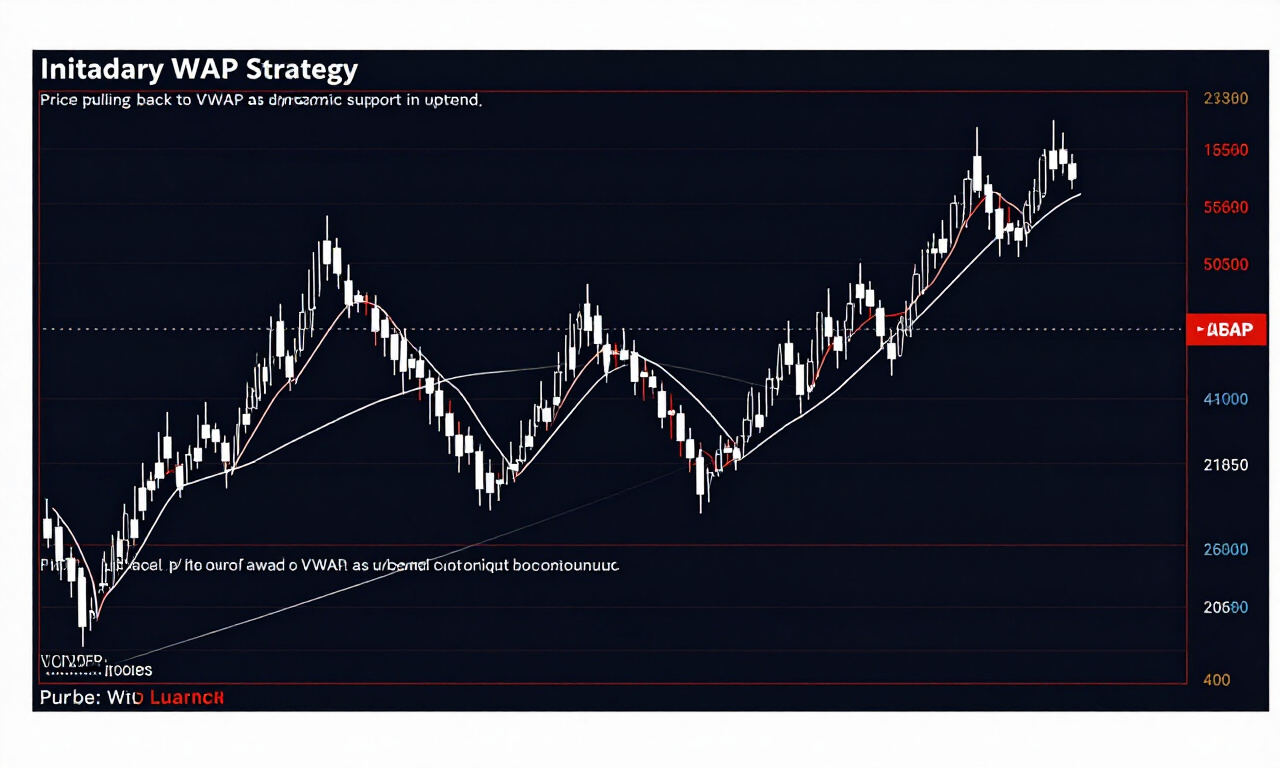
A call option grants the holder the right to buy an underlying asset at a specified strike price within a defined timeframe. Conversely, a put option provides the right to sell an asset at a predetermined price. These foundational contracts allow traders to control equity exposure with defined risk.
Long calls are utilized when a trader anticipates a bullish trend. Your risk is strictly limited to the initial premium paid for the contract. The potential reward, theoretically, is infinite as the underlying asset price rises. Successful execution depends on timing the move before the option expiration date.
Long puts function as a protective mechanism or a bearish directional play. If an asset experiences a decline in market value, the put contract gains in intrinsic worth. This instrument is frequently paired with existing stock holdings to hedge against downside risk during periods of high economic uncertainty.
Practitioner Pro-Tip: Always calculate the break-even point for your options trades. For a long call, it is the strike price plus the premium. For a long put, it is the strike price minus the premium. Never ignore the impact of theta decay as expiration approaches.
Vertical Spreads Explained
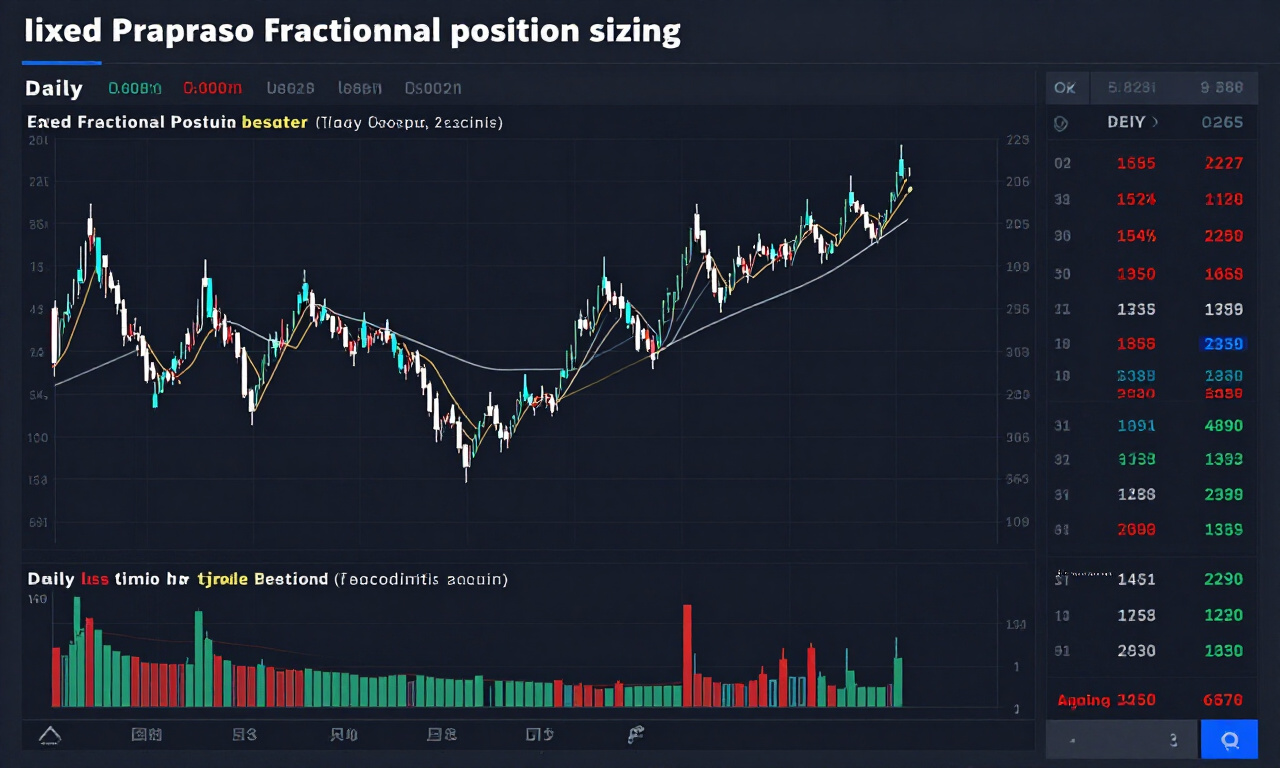
Vertical spreads involve buying one option and simultaneously selling another of the same type and expiration but at different strike prices. This strategy reduces the cost of the trade while capping the maximum potential profit. Traders use these to create high-probability setups with defined risk-reward parameters in 2026.
Bull call spreads are constructed by purchasing a lower strike call and selling a higher strike call. This lowers the capital required to enter the position compared to buying a naked call. The tradeoff involves capping your upside potential, which is a standard requirement for systematic risk management.
Bear put spreads operate on the inverse logic. You buy a higher strike put and sell a lower strike put. This configuration generates a net debit and aims to profit from a moderate downward movement in the asset. By offsetting the premium cost, the trade becomes more accessible for smaller accounts.
Executing Bull Call Spreads
A bull call spread is ideal when you expect moderate bullish growth but do not want to overpay for extrinsic value. By selling the out-of-the-money call, you collect a premium that helps mitigate the decay of your long call option. This creates a more stable trading profile for active markets.
Key specs include identifying support levels for the entry and resistance levels for the short strike. The delta of the long call should be near 0.50, while the short call delta usually lands near 0.30. This delta spread creates a favorable directional bias while shielding the trade from sudden volatility shocks.
- Pros: Reduced premium cost, defined risk, and lower break-even point.
- Cons: Capped upside profits and potential for limited liquidity on specific strikes.
- Best for: Neutral-to-bullish market trends.
Executing Bear Put Spreads
The bear put spread is a sophisticated method for profiting from market corrections. By selling a lower strike put, you create a floor for your trade. This significantly reduces the total debit paid compared to purchasing a single put option, making it an efficient tool for risk-defined bearish speculation.
Successful execution requires monitoring the implied volatility levels. If volatility is inflated, the spread becomes cheaper to enter. Always ensure the expiration date allows sufficient time for your thesis to play out, as time decay works against the long option leg more aggressively than the short leg during the final week.
- Pros: Improved risk-to-reward ratio and reduced sensitivity to time decay.
- Cons: Profit is limited to the difference between strikes minus the net debit paid.
- Best for: Anticipated downward reversals in overextended asset prices.
Iron Condors for Range-Bound Markets
The iron condor is a non-directional strategy that profits when the underlying asset price remains within a specific range. It consists of two spreads, a bull put spread and a bear call spread. This configuration collects premium from the market and thrives on theta decay as the expiration date nears.
To set up an iron condor, you sell an out-of-the-money call and an out-of-the-money put. Simultaneously, you buy further out-of-the-money options to protect against extreme price swings. The goal is for all options to expire worthless, allowing you to retain the full credit received upon opening the position.
This strategy is highly sensitive to implied volatility. The ideal environment for an iron condor is a market expected to consolidate. If volatility drops after entering the trade, the value of the sold options decreases, which increases your unrealized profit regardless of the underlying price movement.
Managing Iron Condor Risk
Proper management of an iron condor involves adjusting the wings if the asset price moves toward the short strikes. Some traders prefer to close the entire position if the loss exceeds twice the initial credit received. This keeps the portfolio safe from unexpected breakout events or volatility spikes that could widen the spread.
Liquidity is critical when dealing with four-leg strategies. Ensure that the underlying instrument has sufficient volume to minimize the bid-ask spread. Without tight spreads, the transaction costs can quickly erode the credit premium you aim to capture, rendering the strategy inefficient for smaller capital bases.
- Pros: Profitability in low volatility and sideways market conditions.
- Cons: Complex management, high commission costs due to four legs, and risk of large moves.
- Best for: Stable, range-bound environments where premium collection is the priority.
Straddles and Volatility Plays
A straddle involves buying both a call and a put at the same strike price and expiration date. Traders employ this when they expect significant price volatility but are uncertain about the direction. The objective is for the price move to exceed the total premium paid for both options.
Long straddles provide unlimited upside if the market breaks out decisively. The risk is limited to the combined cost of the premiums. This is a classic strategy for traders anticipating major economic announcements, earnings releases, or central bank policy shifts that typically trigger large swings in the underlying asset.
The short straddle, however, is a high-risk strategy where you sell both a call and a put. It is designed to profit from a lack of movement. Because the risk is theoretically infinite, short straddles are generally reserved for highly experienced participants who possess robust margin management and risk controls.
Evaluating Volatility Dynamics
Volatility represents the heartbeat of option pricing. When implied volatility is low, options are cheaper, making long straddles more attractive. Conversely, when volatility is high, selling options (short straddles or iron condors) becomes more lucrative, provided the market does not move beyond the expected range.
Always review the historical volatility against current implied levels. A common mistake is buying straddles during peak volatility events, as the “volatility crush” following an event can cause the price of your options to drop significantly, even if the underlying asset moves in your favor.
- Pros: Potential for massive gains during breakout events.
- Cons: High premium costs and rapid loss of value if the market fails to move.
- Best for: Periods of expected high volatility and market uncertainty.
Frequently Asked Questions
This section clarifies high-intent questions regarding options strategies, risk management, and the practical application of derivatives in modern trading portals. Traders should use this information to align their technical approach with market expectations and long-term capital preservation goals during volatile cycles in 2026.
- What is the main advantage of an options spread over a naked option? Spreads significantly reduce the capital required and define your maximum risk from the start, whereas naked options can expose a trader to uncontrolled loss if the market gaps against their position.
- How does time decay impact my long call options? Time decay, or theta, accelerates as the expiration date approaches. A long option loses value every day it stays stagnant. This necessitates precise timing for directional trades to ensure the move occurs while the contract still has sufficient extrinsic value.
- Can I use options to hedge my physical stock portfolio? Yes, protective puts are the most common hedge. By purchasing a put option, you gain the right to sell your stock at a specific price, effectively placing a safety net under your holdings during periods of bearish sentiment.
- Why is liquidity important in four-leg strategies? With strategies like iron condors, you are opening four separate contracts. If the bid-ask spread is wide, your execution costs will be high, potentially wiping out the premium you intended to collect before the trade even begins.